
Spiritual Meanings of Food With Bugs: 13 Deeper Insights
Food with bugs offers more than nutrition; it carries deep spiritual meaning in various cultures. Eating an insect-based dish connects you to themes of change, rebirth, and community. This practice ties you to nature and your roots. As you explore these insights, you can see how this tradition enriches your life and inspires thoughts about strength and personal growth. What do these food choices represent in your life journey?
Key Takeaways
- In many Indigenous cultures, insects symbolize change and renewal, reflecting personal growth and resilience through their life cycles.
- Consuming insects connects individuals to ancestral traditions, honoring heritage and reinforcing cultural identity through shared dietary practices.
- Eating bugs encourages mindfulness, enhancing appreciation for food sources and fostering a deeper connection to nature and community.
- Insect consumption supports sustainability, promoting ethical eating practices and environmental health, which resonates spiritually with the concepts of balance and interconnectedness.
- Insects serve as life cycle symbols, offering insights into transformation, collaboration, and adaptability, encouraging spiritual reflection on one's journey.
Embracing Resilience Through Insects
In today's changing environment, you can find resilience in small places, like the world of insects. Insects teach us about resilience through their ability to adapt. For example, crickets and locusts can live in many different environments, showing how survival can happen in varied conditions.
By watching these insects, you can learn to be flexible and innovative when facing problems. This means changing your thoughts and trying new methods in your life, just like insects do.
Adopting this mindset fosters community resilience. When you share these insights with others, you create a sense of belonging. Learning from insects can inspire you to build your own adaptability.


This helps you handle life's changes more effectively and enjoy your journey.
The Symbolism of Transformation in Bug Consumption
Learning from insects provides insights into resilience and change. Eating bugs symbolizes transformation, showing how nature can adapt. By trying insect cuisine, you can gain new experiences.
Here are three key points about insect symbolism in food:
- Metamorphosis: Insects change throughout their life cycles. Similarly, your food choices can encourage personal growth.
- Sustainability: Eating insects promotes a shift to more sustainable food sources.
- Cultural Acceptance: Many cultures celebrate insects as food, highlighting diverse culinary traditions.
Engaging with these ideas fosters connection and community in a world embracing innovation.
Nourishment and Its Spiritual Implications
Food serves a vital role in sustaining both body and spirit.
When you include insects in your diet, you gain access to numerous nutritional benefits. Insects are high in protein, vitamins, and minerals, which support your physical health.
Eating these foods also helps you connect with nature and recognize the cycles of life. This connection reminds you of your role in the universe.
Bugs as a Representation of Balance in Nature
Bugs play a key role in nature's balance. They act as both prey and predator in ecosystems. Their presence supports life and shows how interconnected everything is.
Here are three ways bugs help maintain this balance:
- Pollination: Bees and butterflies help plants reproduce. This process creates food for many animals and humans.
- Decomposition: Beetles and ants break down dead plants and animals. This recycling returns nutrients to the soil, helping new life grow.
- Population Control: Predatory insects regulate the number of other bugs. This prevents certain species from becoming too numerous and using up resources.
The Sustainability Message Behind Eating Insects
Eating insects provides a sustainable choice compared to traditional livestock.


Insect farming has a lower environmental impact. Insect protein is nutrient-dense and requires fewer resources, making it a strong option for sustainable nutrition. This farming method uses less land and water than conventional animal agriculture. By choosing insects, you contribute to a circular economy, help with food security, and reduce climate impacts.
In addition, eating insect-based foods supports ethical eating practices. You can feel good about your food choices.
The environmental gains from including insects in your diet connect you with a community that values sustainability. This engagement fosters a sense of belonging while helping to create a healthier planet for future generations.
Eating insects isn't just about nutrition; it's about making a meaningful change.
Understanding the Cycles of Life Through Entomophagy
Eating insects can provide a sustainable food option and enrich our understanding of life cycles. Here are three important points:
- Life Cycles: Insects reproduce quickly. This shows us the beauty of life and renewal.
- Nutritional Benefits: Insects are high in protein, vitamins, and minerals. This connection helps promote a healthier lifestyle.
- Ecosystem Balance: Eating insects supports biodiversity and environmental health. It highlights how all living things are connected.
Integrating insects into your diet can be both beneficial for you and the environment.
Bugs as a Source of Community and Connection
Insect eating, or entomophagy, brings people together. It allows for shared culinary experiences that bond communities.
Traditional recipes using bugs play a key role in creating connections. When friends and family gather over meals that include insects, they celebrate diverse culinary practices and their cultural significance. These gatherings strengthen relationships and create lasting memories.
Inclusive practices, like trying dishes made with insects, let everyone join in, regardless of their background. Through these shared experiences, people feel a sense of belonging and enjoy their community's rich heritage.
Finding Harmony With Nature Through Bug-Based Foods
To connect with nature, consider adding bug-based foods to your diet. These foods support sustainable living and eco-friendly choices.
Here are three benefits of integrating bugs into your meals:
- Nutritional Advantages: Bugs provide high protein, healthy fats, and vital vitamins, which can boost your health.
- Lower Environmental Impact: Farming bugs uses less land, water, and feed compared to traditional livestock, helping to reduce your carbon footprint.
- Cultural Exploration: Trying insect dishes connects you with a global community and promotes traditions that align with nature.
Embrace bug-based foods for a healthier lifestyle and a better planet.
The Role of Insects in Indigenous Spiritual Practices
In many Indigenous cultures, insects have spiritual significance. They're often seen as messengers or symbols of change and renewal. Insect symbolism appears in various rituals, showing their roles in life's cycles.
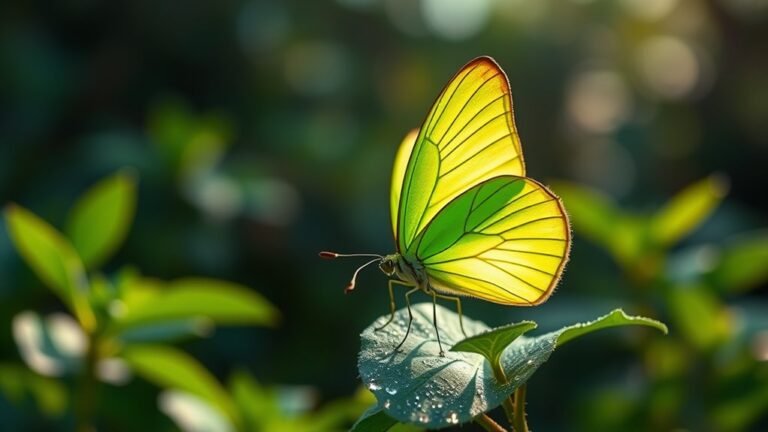
For example, the butterfly represents transformation, reminding you of your potential for growth. The ant symbolizes community and cooperation, important aspects of Indigenous beliefs.
In ceremonies, the appearance of insects signifies a connection to the Earth and its teachings. Recognizing this symbolism can enhance your understanding of your relationship with nature.
Enhancing Mindfulness and Presence With Every Bite
Mindfulness can enhance your eating experience, making each bite a moment of connection and gratitude. Here are three simple ways to practice mindful eating:
- Slow Down: Observe the textures and flavors of your food. Savor each bite fully.
- Engage Your Senses: Notice the scents, colors, and sounds in your environment. Increase your awareness of the present moment.
- Reflect: Think about where your food comes from and the journey it took to reach you. This helps foster gratitude and connection.
Using these techniques builds a sense of belonging. Every meal becomes an opportunity to connect with your food and the world around you.
Enjoy your eating experience!
Bugs and the Journey of Growth and Renewal
Bugs play important roles in nature. They help break down organic matter and recycle nutrients in ecosystems.
Including bugs in your diet can symbolize growth and renewal. It reminds you that these cycles exist in nature and within yourself.
Eating insects promotes a sustainable lifestyle. It connects you with nature's rhythms. Each bite can remind you of the transformations happening in the environment.
The Wisdom of Insects in Cultural Mythology
Throughout history, cultures worldwide have used insects to teach important life lessons. Insect symbolism often highlights traits that resonate with us. Here are three key insights:
- Resilience: Ants show us the power of teamwork. They teach us to work together and never give up.
- Transformation: Butterflies illustrate change. They remind us that growth can come from tough times.
- Adaptability: Grasshoppers represent flexibility. They encourage us to embrace change and take advantage of new opportunities.
These insights help us connect with deeper meanings in our lives. They foster a sense of belonging as we recognize our shared experiences through these remarkable creatures.
Connecting to Ancestral Knowledge Through Bug Consumption
Bug consumption is more than just a food choice; it links you to ancestral knowledge. Eating insects brings you closer to traditional flavors and cultural food practices.
By honoring these customs, you connect with your heritage. This practice shows how past communities lived sustainably within their environments.
Consuming bugs can deepen your connection to your food identity and strengthen cultural bonds. As you enjoy these foods, you align with the wisdom of those who came before you, fostering a sense of belonging that enriches your life.
Frequently Asked Questions
What Types of Edible Insects Are Most Commonly Consumed Worldwide?
Crickets and mealworms are two of the most commonly eaten insects around the world. Crickets provide a high source of protein, which is important for health. Mealworms are noted for their low environmental impact, making them a great option for those who care about sustainability. Both are nutritious choices for anyone looking to diversify their diet.
Are There Any Health Risks Associated With Eating Bugs?
Eating bugs can expose you to potential allergens such as those found in shellfish. However, bugs also provide health benefits, including protein and essential nutrients. To reduce risks, always choose bugs from trusted sources to ensure safe consumption. Enjoy the unique tastes and textures that insects can add to your diet!
How Do Cultural Perceptions of Insects Vary by Region?
Cultural views on insects differ widely. In some areas, people see insects as tasty and nutritious food. In contrast, other regions consider them taboo and unacceptable to eat. Recognizing these varying perspectives helps create appreciation and understanding across cultures.
Can Bug Consumption Contribute to Personal Spiritual Growth?
Eating bugs can help you grow as a person when you practice mindful eating. Trying new foods connects you to nature and supports sustainability. This can lead to a deeper appreciation for the environment and a stronger sense of community. Engaging with diverse foods can expand your mind and enhance your spiritual journey.
What Are the Best Practices for Preparing Insect-Based Foods?
When preparing insect-based foods, focus on sustainability and nutrition. Source insects ethically. Cook them thoroughly to kill harmful pathogens. Add flavors that enhance their taste. This makes your dishes enjoyable and connects with others.

Naomi White is an esteemed expert in spirituality with a passion for uncovering the hidden meanings and messages within divine symbols. Naomi’s work aims to bridge the gap between the mystical and the everyday, helping others find guidance and inspiration in the symbols that surround us all.