
Spiritual Meanings of Art: 13 Ancient Wisdom
Art has long served as a profound language that conveys spiritual truths across cultures and eras. From ancient symbols to intricate designs, each element holds deeper meanings that encourage reflection and growth. By exploring symbols like the ankh, lotus, and mandalas, you gain insight into universal themes of life, balance, and interconnectedness. Understanding these traditions reveals how art functions as a vessel for higher awareness—an exploration that promises to deepen your own spiritual perspective.
The Symbolism of the Ankh in Ancient Egypt
The ankh is a symbol often seen in ancient Egyptian art. It looks like a cross with a loop on top. This symbol means life and staying alive forever. It’s a powerful sign of spiritual strength.
The design of the ankh shows the belief that life doesn’t end. Egyptians thought it connected gods and people. When you see the ankh, it reminds you of the life force that keeps everything going.
It also shows the idea of rebirth and protection. Egyptians believed the ankh helped the soul move to a new life after death. The symbol made people feel connected to their community and shared beliefs.


Last update on 2026-05-05 / Affiliate links / Images from Amazon Product Advertising API
The Lotus as a Representation of Enlightenment in Eastern Traditions
In many eastern traditions, the lotus flower is a strong symbol of enlightenment and spiritual growth. It starts its life in muddy water. Even in this dirt, it grows and blooms beautifully. This shows how someone can find clarity and purity even in hard times.
The lotus reminds us that becoming spiritual takes effort. When we meditate, imagining a lotus can help us stay focused. Its open petals represent a clear mind and rising consciousness. The flower’s beauty shows how meditation helps us grow and understand more about ourselves.
The lotus also shows us how to stay pure inside. Even when the water around it’s muddy or messy, the flower remains clean. It teaches us that we can stay good and true, even when life is tough.
Understanding what the lotus means helps us feel connected to the idea of waking up or becoming more aware. It encourages us to keep going on our spiritual journey. The lotus is a simple symbol that reminds us that growth and peace are always possible, no matter what we face.
The Spiral: A Universal Sign of Life and Growth
Spirals are shapes that show up all around us. They’re often seen as symbols of life and growth in many cultures. Spirals remind us of how things expand, change, and renew over time. Think about shells, galaxies, or even weather patterns. All of these have spiral shapes.
When you see a spiral, it shows a pattern of growing that’s steady yet changing. This shape reflects how nature grows naturally.
Many old traditions link spirals to changes in life and spiritual learning. They encourage people to feel connected to the universe. Seeing spirals helps us understand that all living things grow and change.
Growth is a continuous part of life. Recognizing these spiral patterns helps us feel more connected to the world and to others. It shows us that growth happens everywhere and all the time.
Mandalas: Circular Designs of Cosmic Unity and Meditation
Mandalas are circular designs that show how everything in the universe is connected. They use symmetry and shapes like circles and spirals to represent unity and harmony. When you look at a mandala, it can help you feel more calm and focused.
You can use them for meditation to clear your mind and find inner peace. Making or watching a mandala helps you see the link between your thoughts and the world around you. It reminds you that you’re part of a bigger, beautiful cycle.


Last update on 2026-05-05 / Affiliate links / Images from Amazon Product Advertising API
The balanced design of a mandala reflects the natural patterns in nature. By working with these patterns, you can feel more connected and find calm inside yourself. Creating or contemplating mandalas is a simple way to quiet your mind and feel more in tune with the universe.
The Tree of Life Across Cultures and Its Spiritual Significance
The Tree of Life appears in many cultures around the world. It’s a symbol that shows how everything is connected. It represents growth, renewal, and life itself.
The roots of the tree often stand for history, stability, and ancestors. The branches reach up, symbolizing a connection to the sky or the divine. These meanings show how people see the tree as a link between heaven, earth, and the underworld.
In many traditions, the Tree of Life is a sign of unity. It brings together different parts of life and nature. People find comfort in knowing they’re part of a larger circle.
The tree also tells the story of life, death, and starting over. It reminds you that life keeps moving forward and that you’re part of a big, connected world.
Throughout history, the Tree of Life has been a key part of spiritual practices. It shows the desire for growth, understanding, and peace. Many cultures use images of the tree in art and stories. They see it as a symbol that helps people feel a sense of belonging and spiritual harmony.
The Tree of Life stays important because it represents a universal hope for connection and renewal.
The Swastika: An Ancient Symbol of Good Fortune and Spirituality
The swastika is an old symbol that has been around for thousands of years. Many cultures see it as a sign of good luck, happiness, and spiritual strength. It appears in different parts of the world, from India to Europe.
People used it to show positive energy, the cycle of life, and balance.
Today, many see the swastika differently because of its connection to bad events in recent history. But looking at its history helps us understand its true meaning. It’s a symbol of hope and harmony.
Knowing its roots can help us appreciate it more. It reminds us of the universal search for peace, blessings, and spiritual connection.
The Ouroboros and the Cycle of Eternal Return
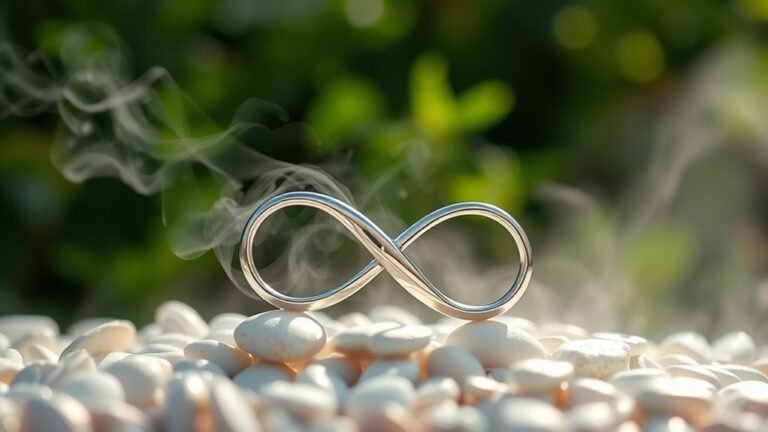
Many cultures use the symbol of the Ouroboros. It shows a snake or dragon eating its own tail. This symbol means that life goes in a circle. When one thing ends, another begins. This cycle repeats again and again. It reminds us that everything is connected. Life, death, and new life all go together.
This cycle gives us hope. It shows that change is normal. Things don’t just end; they start again. The Ouroboros tells us we’re part of this endless loop. It helps us feel like we belong in the universe.
When we think about it, we see that life moves in patterns. Every step fits into a bigger story.
Knowing this helps us understand ourselves. We see that our lives are part of a larger cycle. It keeps everything balanced and full of growth. The Ouroboros links us to ancient wisdom. It also connects us to the natural order of things.
Sacred Geometry and Its Connection to Divine Harmony
Sacred geometry shows us the patterns that shape our universe. These patterns are found in nature, art, and everyday objects. They reflect a sense of divine harmony. For example, the golden ratio is a special proportion that makes things look balanced and beautiful. When you see these ratios, you can feel a connection to something bigger than yourself.
Studying sacred geometry helps you see that everything works together with intention. This helps you understand the order behind the chaos.
Sacred proportions act as a link between the physical world and spiritual ideas. They show that beauty and harmony are everywhere, even in simple things. Recognizing these patterns can make you feel more connected to life and the universe. It reminds you that everything is part of a larger, divine plan.
The Sun Cross and Its Role in Spiritual Awakening
The Sun Cross is a simple symbol with a circle in the middle and four lines crossing it. It’s important in spiritual growth because it shows how the physical world and the spiritual world are connected.
The symbol reminds us to find balance and unity in life. It helps people feel connected to something bigger, like the universe or a higher power. The four lines often stand for the four main directions: north, south, east, and west.
These directions can guide us to become more aware and peaceful. When you think about the Sun Cross, it can help you feel more complete. It teaches us that growing spiritually means bringing together what’s inside us with what’s outside.
The Use of Masks in Rituals and Spiritual Transformation
Masks have been used in special ceremonies for a long time. They help you take on different roles or feelings during rituals.
When you wear a mask, it can help you move from your normal thoughts to a deeper feeling or spirit. Masks also help everyone involved feel closer and connected.
Wearing a mask isn’t just about hiding your face. It’s about choosing a new identity or spirit to be part of.
When you hide your true self behind a mask, it opens the door to change and feeling connected to others.
Masks show that symbols can help reveal what’s inside your mind and heart. They help you find wisdom and guidance from higher ideas.
Using masks this way helps you grow in your spiritual journey and connect with traditions in a meaningful way.
The Lotus Flower in Buddhist and Hindu Iconography
The lotus flower is very special in both Buddhist and Hindu traditions. People see it as a symbol of spiritual growth and purity. Its soft petals come out of muddy water, which shows the idea of rising above problems.
The lotus often appears as a throne for gods and goddesses. This shows that divine beings are pure and not affected by dirt or bad feelings.
The flower also means going beyond worries and becoming more aware. It reminds us that growing spiritually takes effort and patience.
You’ll see the lotus in statues, paintings, and rituals. This helps people feel connected through their shared beliefs.
The Yin-Yang Symbol and Balance in Spiritual Philosophy
The yin-yang symbol shows how things can be opposite but still work together. It helps us see how light and dark, rest and activity, are connected. These forces aren’t separate; they depend on each other.
When we understand this, we see that balance is about having both parts in our lives. Balancing yin and yang helps us feel more connected and peaceful. It reminds us that chaos and order are both part of life.
When we find harmony, we become more aware of how these energies shape us. This awareness can bring us closer to a sense of calm and purpose. The symbol teaches us to look for balance every day.
When we pay attention to both the quiet and active sides of ourselves, we feel more complete. Embracing this idea of harmony helps us stay aligned with the natural flow of life. It guides us to feel more at peace and connected with everything around us.
The Veil of Maya and the Illusion of Reality
The Veil of Maya is like a fog that hides the truth from us. It makes us think the world is only about physical things. But there’s more to reality than what we see.
The veil tricks our minds and makes us believe in illusions. These illusions block our spiritual growth. Sometimes, you might feel that your perceptions are limited. That’s because the veil filters what you see and hear. It stops you from understanding the bigger picture.
If you want to find real meaning and connection, you need to see past the veil. Question what looks obvious. Look deeper inside yourself. When you do this, you can access a higher state of awareness.
The Maya, or illusion, isn’t just about tricks. It also makes us challenge what we think is real. By understanding this illusion, you can learn to see beyond it. This helps you connect with the true reality that’s always there.
It unites your spirit with the truth that lies beyond the illusion.
Frequently Asked Questions
How Do Different Cultures Interpret Spiritual Symbols Uniquely?
You see that cultural symbolism reflects diverse interpretative perspectives, shaping each community’s unique spiritual meanings. By exploring these differences, you gain a deeper understanding of how interpretative diversity enhances shared belonging and enriches your appreciation of global artistic expressions.
Can Art Influence Spiritual Awakening or Consciousness?
You can explore how art therapy and visual meditation foster spiritual awakening by engaging deeply with symbols and imagery, activating consciousness, and creating a sense of belonging through shared expressive experiences that elevate awareness and inner transformation.
What Role Does Symbolism Play in Personal Spiritual Journeys?
Symbolism guides your personal spiritual journey by enabling you to interpret dreams and embrace meditative symbolism, fostering deeper connections and belonging. You actively engage with these symbols to unseal hidden meanings, nurturing your growth and spiritual awareness.
Are Modern Artworks Rooted in Ancient Spiritual Symbolism?
You notice that modern artworks often incorporate esoteric symbols and sacred geometries, revealing a connection to ancient spiritual traditions. This integration fosters a sense of belonging, bridging past wisdom with contemporary expressions and enriching collective spiritual understanding.
How Do Hidden Meanings in Art Reveal Spiritual Truths?
You see that hidden meanings in art use symbolic language and divine symbolism to reveal spiritual truths, fostering connection and understanding. By analyzing these symbols, you uncover deeper insights that resonate with your desire for belonging and spiritual growth.

Naomi White is an esteemed expert in spirituality with a passion for uncovering the hidden meanings and messages within divine symbols. Naomi’s work aims to bridge the gap between the mystical and the everyday, helping others find guidance and inspiration in the symbols that surround us all.